







Search Results for: abnormal flow rate
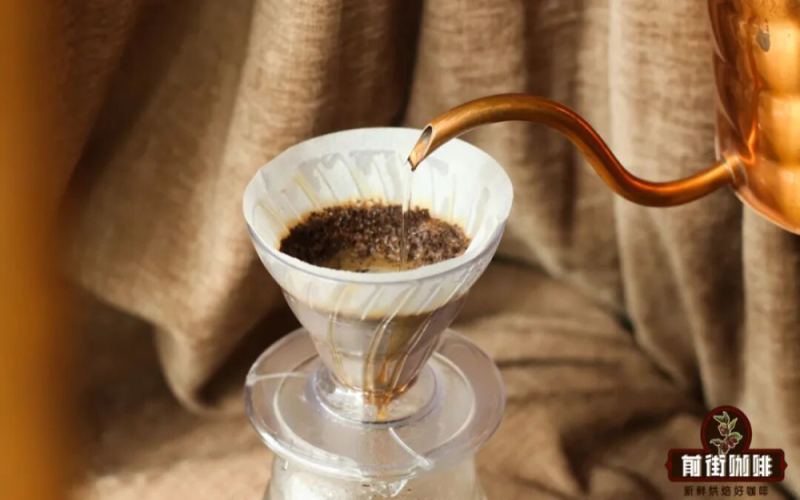
Analyzing the Causes of Abnormal Pour-Over Flow Rate: Seven Major Factors from Dripper and Filter Paper to Bean Quality and Water Flow
When brewing pour-over coffee, the drip rate of the coffee liquid often reflects the quality of the extraction. If the flow is too fast, it may lead to under-extraction and a weak, bland flavor; if the flow is too slow, it tends to over-extract, producing bitterness and off-flavors. So what exactly are the factors that influence the flow rate of coffee? Front Street Coffee will break down the key elements affecting flow rate one by one from seven aspects: the pairing of dripper and filter paper, the density and processing method of the coffee beans, the roast level, the grind size, the pouring technique, and the water level inside the dripper. Understanding the relationships among these variables will help you quickly identify the root cause the next time you encounter an abnormal flow rate and make targeted adjustments, bringing every cup of coffee closer to the ideal flavor. [more…]
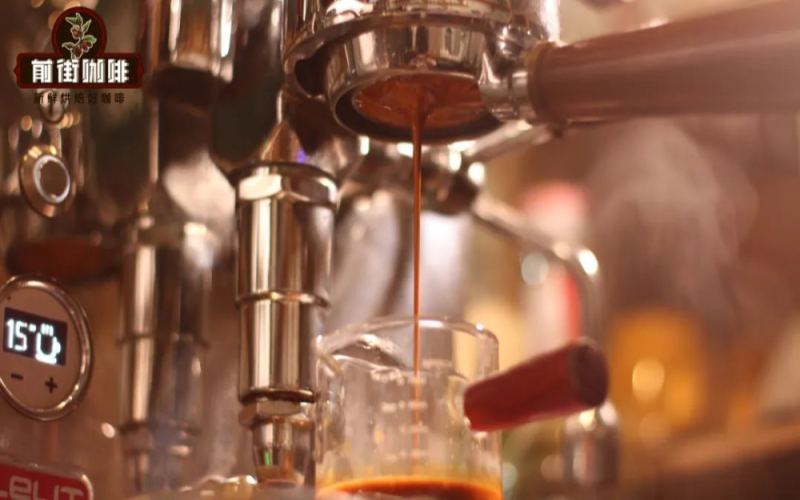
Analysis of Three Major Causes of Abnormal Espresso Flow Rate: Grind Retention Differences, Burr Temperature Rise Effects, and Boiler Load Issues
Same beans, same grind setting and dose—so why does the espresso extraction time keep swinging between fast and slow? Many coffee lovers have run into this puzzle. Drawing on Front Street Coffee's hands-on experience, this article systematically breaks down three common causes of extraction differences: the grind discrepancy between tamping and not tamping, the temperature rise effect after the burrs run continuously, and the load problem when the espresso machine's boiler is extracting and steaming milk at the same time. Understanding these variables will help you control extraction stability more precisely in your daily brewing. [more…]

Judging whether espresso extraction is normal from the flow, and which details to check before extraction
While the quality of espresso must ultimately be judged by taste, the visual signals during extraction can also reveal many problems in advance. By learning to observe the operating state of the espresso machine and how the coffee liquid flows out, you can screen out a good portion of substandard shots before they ever reach your lips. This article starts with the pre-extraction equipment check, then uses the actual flow of the shot as a thread, explaining one by one the timing milestones of a normal extraction, the changes in color and flow rate, and the causes and remedies for abnormalities such as delayed flow and erratic flow rate, helping you pinpoint problems faster in your daily routine. [more…]
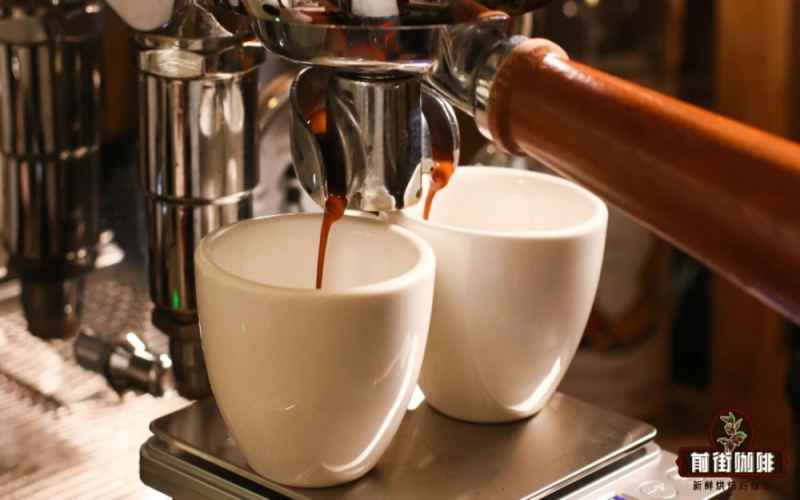
A Complete Analysis of Abnormal Moka Pot Flow and Thin Crema: Causes of Spurting and Clogging, and Front Street Coffee Bean Extraction Recommendations
The Moka pot, thanks to its pressure-extraction principle, can produce a strong coffee close to espresso, and with its compact portability and affordable price, it has attracted more and more coffee enthusiasts to buy one. But beginners often run into problems when using it: the liquid shoots out too violently, the coffee takes forever to come out, or the finished cup has almost no crema. This article analyzes the three most common types of extraction abnormalities with the Moka pot: first, the coffee liquid spraying out in a column; second, no liquid coming out even after a long time on the heat; third, the crema being thin or even completely absent. For each situation, the article will explain the underlying parameter causes and adjustment methods, and recommend fresh medium-dark roasted beans such as Front Street Classic Blend, Front Street PWN Golden Mandheling, and Front Street Dark Cocoa Blend, to help you consistently extract a rich crema at home. [more…]
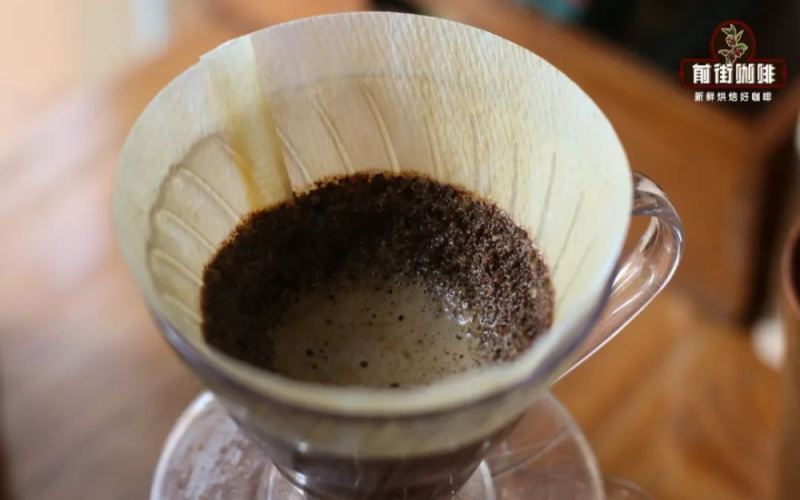
Judging the Flow Rate of Pour-Over Coffee and Analyzing the Core Factors That Affect Flow Speed
In the process of pour-over coffee, many enthusiasts encounter the same dose of coffee grounds yet vastly different extraction times—some finish smoothly in about two minutes, while others complete their drip in less than a minute and a half. What exactly determines this difference in flow rate? And what do faster or slower flow rates each signify? Drawing on the hands-on experience of Front Street Coffee, this article systematically examines the key factors affecting pour-over flow rate—including roast level, processing method, coffee bean texture and density, and grind setting—and offers adjustment strategies for abnormal flow rates, helping you judge and respond more accurately in your daily brewing. [more…]
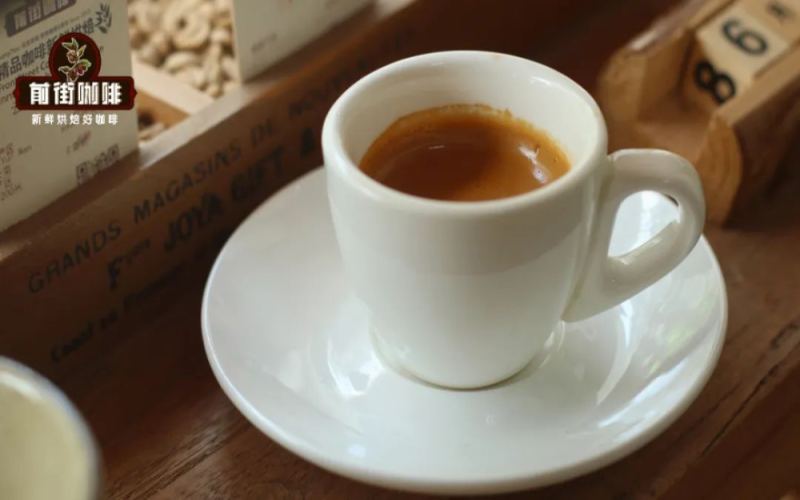
Espresso Extraction Flow Rate Anomalies: Analysis of Causes and Adjustment Methods for Fast-Then-Slow Flow
When extracting espresso, the normal flow rate should start slow and gradually speed up, but sometimes the exact opposite occurs—after pressing the extraction button, the coffee liquid bursts out violently, then quickly thins and slows down. This abnormal flow rate—fast first, then slow—often indicates a problem with the extraction yield, and the resulting espresso's flavor is less than ideal. From Front Street's perspective, this article systematically breaks down the four major factors behind this phenomenon: the dose exceeding the basket's standard gram weight, uneven tamping causing channeling, the pressure pump set too high leading to an overly aggressive extraction, and the coffee beans having finished degassing and no longer being fresh. For each cause, the article provides specific adjustment solutions to help coffee enthusiasts find the root of the problem and correct it. [more…]
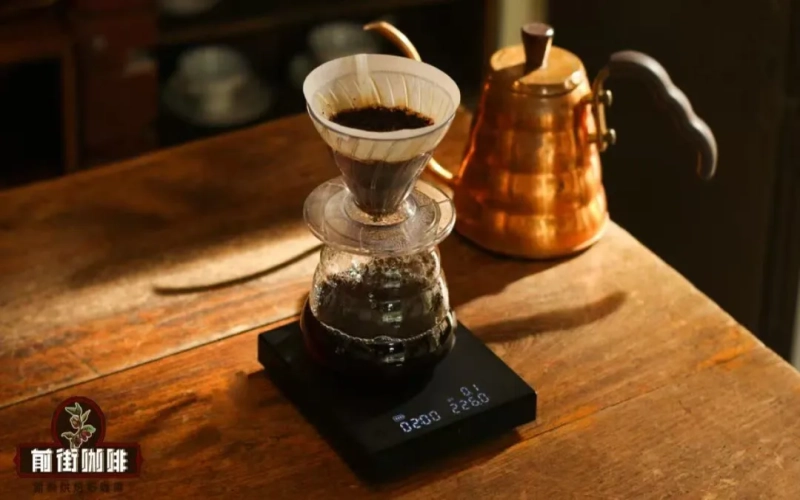
Why should pour-over coffee extraction time be recorded? Abnormal times reveal problems with grinding, technique, and equipment
Many coffee enthusiasts habitually start a timer when brewing, but some also feel that timing is optional. In fact, although time cannot be directly controlled, it can help us judge whether the grind, technique, and equipment are suitable. This article, from Front Street's perspective, discusses why timing matters in pour-over coffee, what extraction times that are too fast or too slow each mean, and how to correct brewing problems by adjusting grind size, pouring method, and dripper, so you can brew a good cup of coffee more consistently. [more…]
Analysis of the Reasons for Fast Pour-Over Flow Rate with Anaerobic Process Coffee Beans and Grind Adjustment Solutions
In the daily practice of pour-over coffee, many enthusiasts encounter a puzzling phenomenon: when brewing anaerobically processed coffee beans, the drawdown speed is noticeably faster than with regular washed or natural beans, and the extraction time can even be less than a minute and a half. What exactly causes this abnormal flow rate? Is it due to the inherent characteristics of the beans themselves, or is there a problem in the grinding stage? Starting from Front Street Coffee's actual measurement data, this article will take an in-depth look at how the loose texture and vigorous water absorption and degassing of anaerobic beans affect flow rate, and with the help of a comparison of the No. 20 sieve pass-through rate, reveal the deviation between the grinder setting and the actual coarseness of the particles. At the same time, the article will also provide targeted suggestions for adjusting the grind finer and a plan for adjusting the pouring technique, to help you steadily extract a rich, full-bodied cup of coffee even when dealing with anaerobic beans. [more…]

A Complete Guide to Espresso Extraction Parameters: Customizing Dose, Ratio, Time, and Grind Size
Espresso extraction is not something that can be mastered with a fixed formula. The freshness of the coffee beans, the grind size, the brand and model of the espresso machine, the extraction pressure, and the stability of the water temperature all cause the same bean to present completely different flavors in different hands. This article starts from the dimensions of dose, brew ratio, extraction time, flow rate, pressure, and water temperature, systematically explaining how to customize a suitable espresso extraction plan for the blend of coffee beans you have on hand. It also introduces how to troubleshoot and adjust one by one when the flow rate is abnormal, and how to use a concentration tester to calculate the extraction yield and determine whether it falls within the golden cup range. The article uses the "Warm Sun" blend from Front Street Coffee as an example, providing specific parameter references, and is suitable for coffee enthusiasts who wish to refine their espresso skills. [more…]
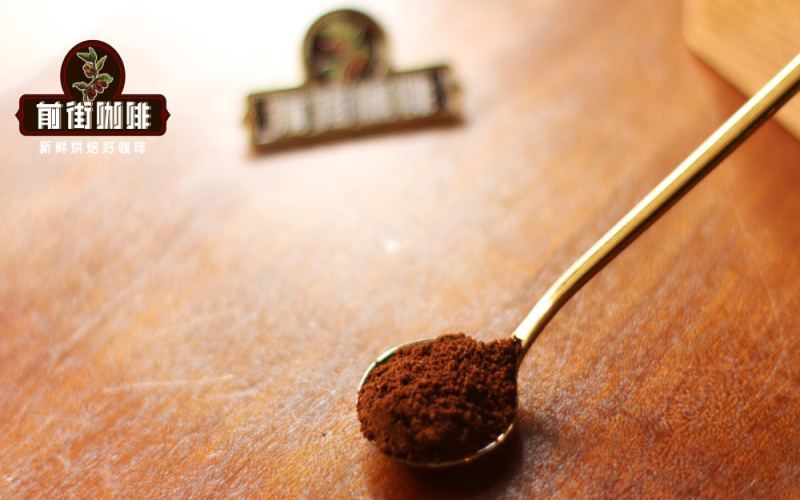
How to Determine the Grind Size for Espresso? A Complete Guide from Dialing-In Logic to Flow Rate Assessment
When making a proper espresso, choosing the grind size is often the most critical and most frustrating step. Unlike immersion brewing methods such as pour-over, an espresso machine relies on high temperature and high pressure to complete extraction in an extremely short time, which places demands on coffee grounds fineness and uniformity far beyond those of other brewing methods. If the particles are slightly too fine or too coarse, the flow rate can become abnormal, pushing the flavor toward over-extraction or under-extraction. This article will sort out the extraction principles of espresso from the ground up, explain the suitable grind fineness range, and provide a practical grinding adjustment process and flavor correction approach to help you quickly lock in the right grind setting even when facing unfamiliar beans. [more…]
Typical Troubleshooting in Espresso Making: A Comprehensive Analysis from Crema Condition and Water Flow Pattern to Extraction Parameters
In the process of making espresso, even experienced baristas inevitably encounter various unexpected situations—crema bubbling, channeling, sharp or overly sour flavors, and every detail can affect the final flavor presentation. This article systematically sorts out several common problems in espresso making, including judging coffee bean freshness, checking extraction parameters, analyzing the causes of crema abnormalities, and diagnosing water flow conditions, and provides targeted adjustment suggestions. Whether you use a Synesso, Expobar, or other machine models, these troubleshooting approaches can help you quickly locate the root of the problem and take a step closer to an ideal cup of espresso. [more…]
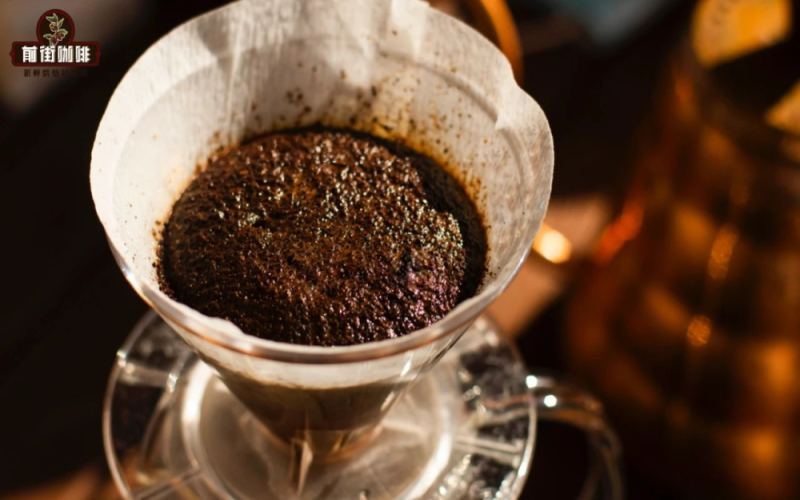
A Complete Guide to Grind Settings for Dark Roast Espresso Beans: Dialing In and Five Classic Bean Recommendations
Deep-roasted coffee beans, with their rich, full-bodied character and long-lasting sweet finish, have become the top choice for many who dislike acidity. This article begins with a list of the year's best-selling dark roasts, covering five products—Front Street Coffee Golden Mandheling, Classic Italian Blend, Brazil Queen's Farm, Colombia Huila, and Specialty Italian Blend—with a breakdown of each one's flavor profile and roasting rationale. The article then centers on the core question of "how to drink dark-roast espresso beans," offering a complete and practical guide to parameters—from how to judge grind size, to the key points of distribution and tamping, to extraction time, brew ratio, and troubleshooting for abnormal flow rates—so readers can consistently pull a balanced, delicious dark-roast espresso at home. [more…]
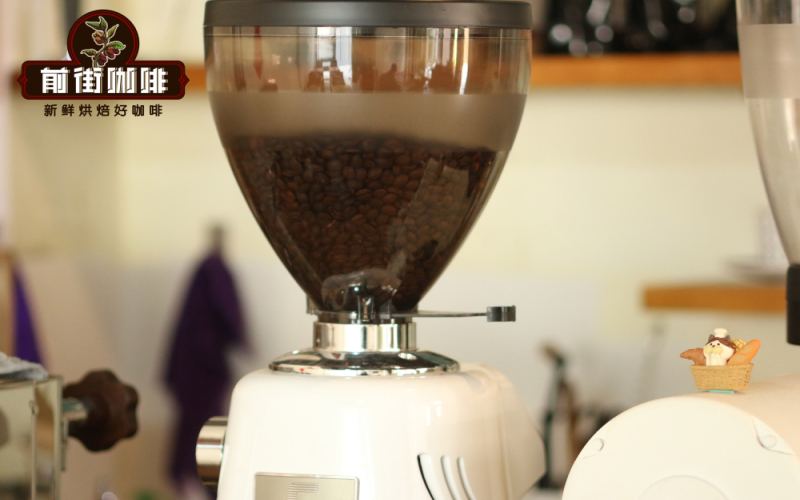
How Do You Adjust the Grind Size for Espresso? A Complete Guide to Dialing In a Semi-Automatic Espresso Machine and Calibrating Extraction
In the preparation of espresso, grind size is one of the core variables that determines the success or failure of extraction. Compared with pour-over or cold brew, espresso grounds are closer to the feel of fine salt or even flour, and a tiny deviation on the dial can lead to abnormal flow rates, which in turn pushes the flavor toward the two extremes of under-extraction or over-extraction. This article will systematically sort out the logic of setting the grind size on a semi-automatic espresso machine from the perspectives of grind assessment, coffee bean selection, flow rate correction, and flavor fine-tuning, and share Front Street Coffee's adjustment experience in practice, so that you can consistently produce an ideal shot of espresso at home. [more…]
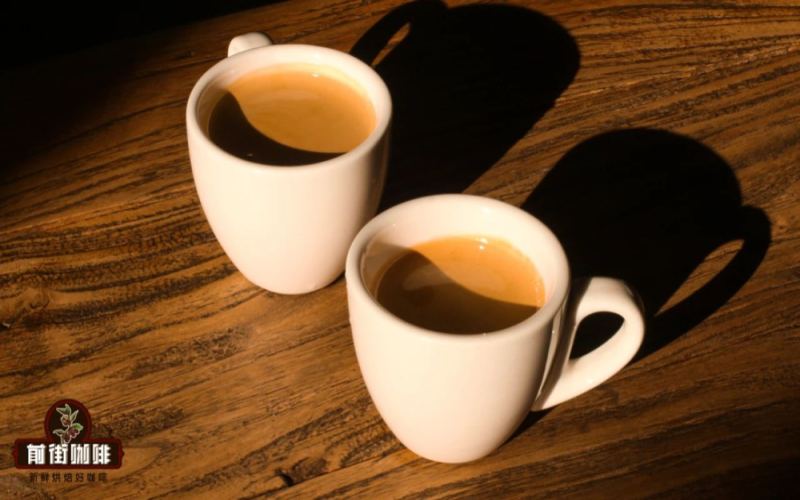
A Comprehensive Analysis of Espresso Puck Anomalies: Causes and Solutions for Channeling, Water Pooling, Clumping, and Extraction Imbalance
The extraction quality of espresso can be judged not only by flow rate, pressure, and time—the puck after extraction also reveals a great deal of key information. An ideal puck should be dry and level, structurally intact, and uniform in color. In practice, however, problems such as cratered surfaces, holes, standing water, loose structure, one half dry and the other half wet, or even a blackened bottom are all too common, and they often point to deviations in dose, grind size, distribution technique, or equipment pressure. This article systematically sorts out the manifestations and causes of six common puck abnormalities, offers targeted adjustment plans, and explains how to correct extraction through operations such as grinding finer while reducing dose, or grinding coarser while increasing dose, helping coffee enthusiasts consistently make a qualified espresso at home. [more…]

How to adjust a moka pot when the flow is slow? From principles to practice, learn to brew rich espresso
Without an espresso machine, can you still make a rich cup of coffee at home that approaches café quality? The moka pot is the answer. Using high-temperature steam pressure, it forces hot water through a bed of finely ground coffee, extracting a highly concentrated brew that can even develop crema. However, many people run into problems like slow flow or abnormal flow rates when using it. The key actually lies in coordinating the dose, water volume, grind size, and timing of removal from heat. This article draws on Front Street's hands-on experience to systematically explain the moka pot's construction and principles, methods for adjusting parameters, and recommends several medium-to-dark roast beans suitable for moka pots, including Front Street Classic Blend, Commercial Blend, and the Brazil Queen's Estate single-origin beans, to help you easily brew a cup of espresso that rivals the café. [more…]
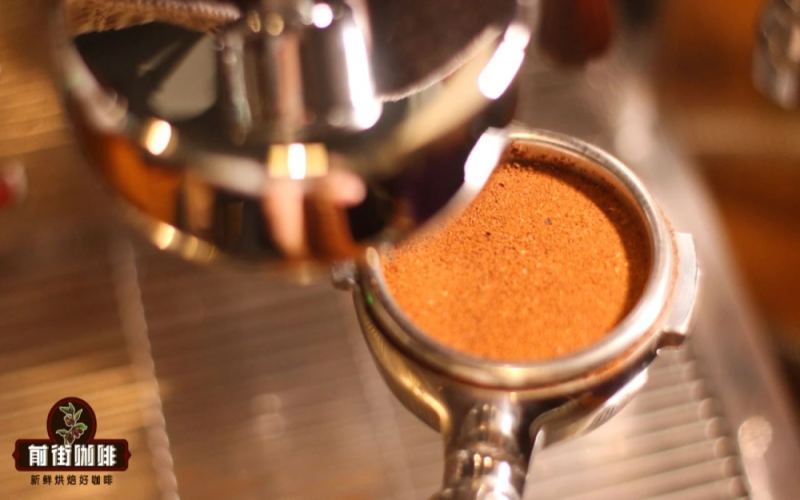
How to Determine the Grind Size for Espresso? A Complete Guide from Bean Selection and Grinder to Brew Ratio and Extraction Time
Many coffee enthusiasts who make espresso at home often run into problems like abnormal flow rate, thin crema, and weak flavor—and the root cause is usually the grind size. This article starts with bean selection and the types of coffee grinders, then systematically lays out the criteria for judging espresso grind coarseness. It explains how flat burr grinders work, along with their pros and cons, and offers a dialing-in method based on a 1:2 coffee-to-water ratio and a 25-to-28-second extraction time. This helps readers judge whether the grind is too coarse or too fine by observing flow rate, crema color, and flavor performance. The article also includes the extraction parameters and flavor description of Front Street Coffee's classic espresso blend for practical reference. [more…]
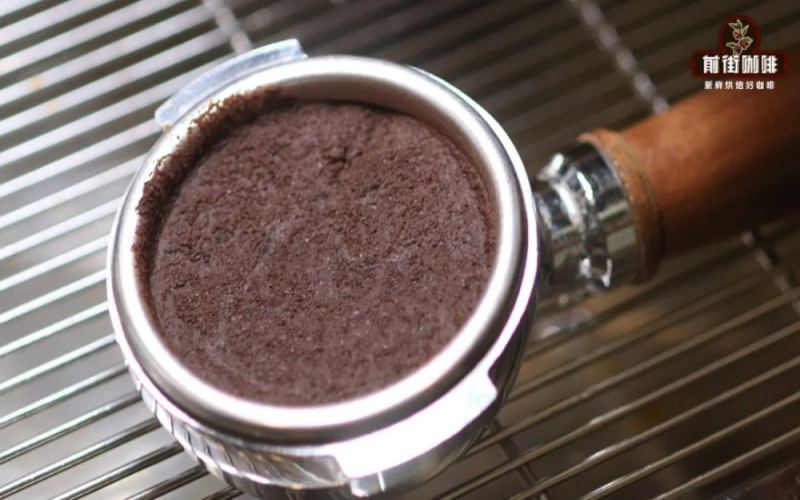
Analysis and Solutions for Residual Water in the Portafilter Basket After Espresso Extraction
After pulling an espresso shot, the ideal puck should be dry, intact, and come out in one solid piece without crumbling. But in practice, many coffee lovers run into a soggy, muddy puck with standing water at the bottom of the basket. This abnormal phenomenon is usually linked to four factors: grinding too fine, coffee beans stored too long so they lose carbon dioxide, too large a gap between the puck and the dispersion screen, and unstable extraction pressure in the espresso machine. This article breaks down the principle behind each cause one by one and offers corresponding troubleshooting and adjustment methods to help you quickly pinpoint the problem and get back to normal extraction. [more…]
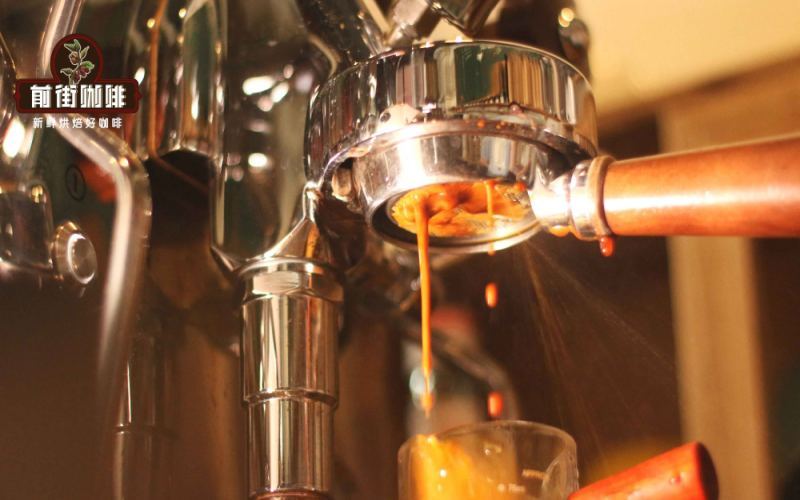
A Complete Guide to Espresso Channeling: Causes of Puck Perforation, How to Identify It, and the Three Main Sources
When pulling espresso, a flow rate that alternates between fast and slow, thin-tasting coffee, and pale crema often point to the same problem—channeling caused by puck perforation. This article starts with the symptoms, explains in detail how to identify perforation with the help of a bottomless portafilter, and breaks down the three main causes one by one: uneven distribution, insufficient dose, and a clogged shower screen. It also offers targeted solutions to help you maintain consistent extraction quality in your daily output. [more…]
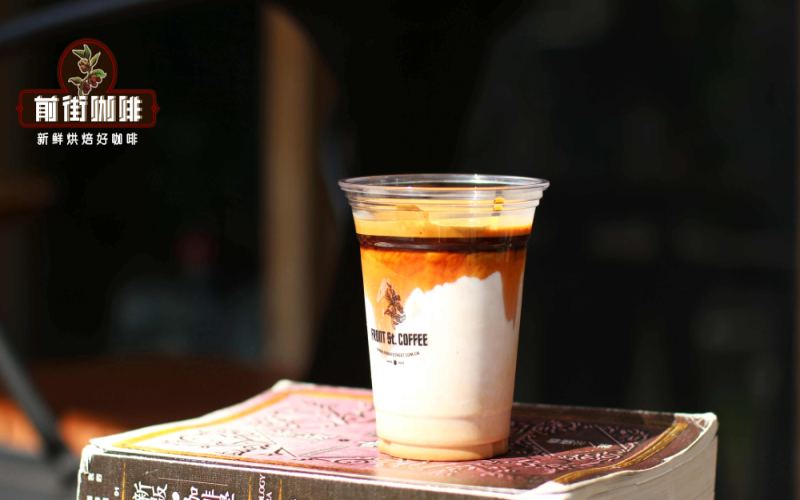
The Production Differences Between Hot and Iced Lattes: An Analysis of Cup Size, Ratios, and Extraction Key Points
Many coffee enthusiasts who try making lattes at home with Front Street Coffee's espresso blend discover a gap between the flavor they achieve and what the café produces. This article focuses on the differences between making hot and iced lattes, breaking down everything from coffee bean selection and resting periods to milk pairing and espresso extraction parameters. It explains in detail the characteristics and suitable applications of Front Street Coffee's classic espresso blend, and provides specific steps for making a hot latte, including key data such as extracting 40g of espresso from 20g of grounds, steaming 220ml of fresh milk to 50-60°C with about 1cm of milk foam, helping readers understand how differences in cup size and ratios affect the final taste, so they can replicate a latte close to café quality at home. [more…]
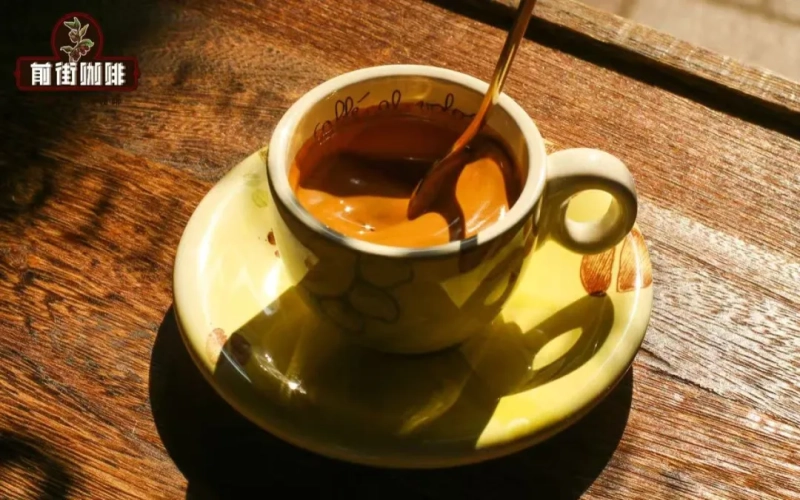
What Is Espresso Crema? Analyzing the Causes of Coffee Crema and Judging Extraction Quality
Espresso may be a niche beverage, but it serves as the base for drinks like lattes and Americanos. The golden layer of oil on its surface is called Crema, formed by coffee's insoluble oils wrapping around carbon dioxide, and it can only be produced by the 9-bar pressure of an espresso machine. The crema not only brings caramel and nutty aromas but also enhances the visual appeal of latte art. However, when the crema fails to appear or looks abnormal, it often reflects issues with bean freshness, grinding, or distribution. This article explains in detail the causes of Crema and provides a guide to selecting coffee beans rich in crema, and teaches you how to judge the quality of extraction through the color, texture, and clumping of the crema, while also recommending two espresso beans suitable for home use: Front Street Classic Blend and Front Street Dark Cocoa Base Blend. [more…]